
Tips from your local Jayhawk Pharmacy
FDA recommended formula for hand sanitizer.
BREAKING NEWS! If you need hand santizer, you can rest assured that ours is made by our compounding pharmacist in line with CDC guidelines. Stay well Topeka.
Click to read more.

Which CBD oil is right for you: The difference between marijuana and hemp.
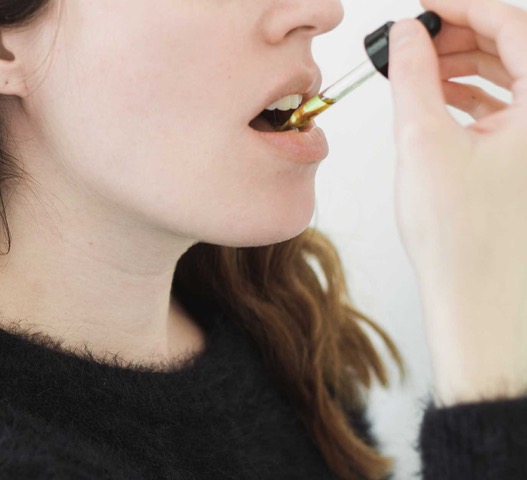 One of the largest misconceptions about CBD oil is the idea that it comes exclusively from marijuana. Although marijuana plants do contain CBD, products using CBD extracted from marijuana can contain higher concentrations of THC, tetrahydrocannabinol which is the most infamous cannabinoid due to its high or euphoria inducing properties.
How can CBD oil products be legal and not euphoria inducing?
Hemp and marijuana come from the same plant family, Cannabis Sativa. The primary difference between the two is their level of Tetrahydrocannabinol (THC), the illegal, psychoactive cannabinoid. According to the Agricultural Act of 2018, U.S. legislation describes legal hemp plants as containing less than 0.3 percent THC. Within the provisions of the Hemp Farming Act of 2018 proposed to remove hemp (cannabis with less than 0.3% THC) and making it an ordinary agricultural commodity. That being said, states can still decide if they want to allow the sale and production of hemp based products.
What is the hype about CBD?
Retail companies have spent millions of dollars to promote the benefits of their hemp based products. Some brands have claimed that their CBD are “lifesavers “and “unbelievable cures”. The Food and Drug Administration has warned companies to stop making “unfounded claims” that CBD can help treat cancer, Alzheimer’s disease, Parkinson’s disease, A.D.H.D. and opioid withdrawal.
How to choose a CBD product?
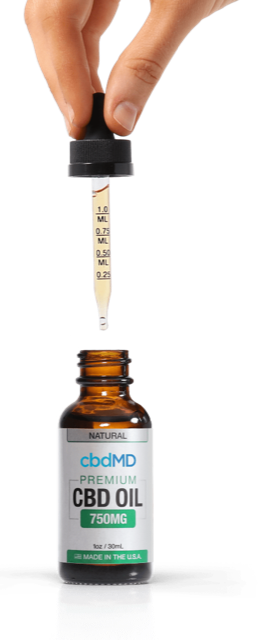 A cautious consumer should seek a CBD product that undergoes rigorous testing throughout the entire manufacturing and production processes. Additionally, products should undergo extensive third party chemical testing through independent laboratories to ensure the purity of the CBD product. Although independent testing is very expensive, it is the only viable option for preserving the valuable properties of hemp, while eliminating the presence of psychoactive THC. This will ensure only high quality CBD oil is contained in a CBD product. Independent purity testing is much like the testing that pharmaceutical companies provide for their prescription medications.
What is an example of independent purity testing and why is it important?
Sophisticated scientific analysis such as gas or high performance liquid chromatography testing involves continued submission of manufactured CBD products to ensure the high quality and purity of notable commercial products such as those manufactured by cbdM
You can learn more about CBD products by visiting our locations and speaking with one of our experts. They will help you identify what type of product will be best for your therapy.
Click on the link below to see a recent discussion our staff had on the benefits of CBD oil.
https://www.facebook.com/ksntnews/videos/498814650666669/
Know Your Medication and Become a Team Player
There are many medications available to treat just about anything you can think of, and they are very complex. To prevent unwanted side effects and to get the most benefit from your medications, you need to become an active member on your healthcare team.
How can you become a team player? 
1. Always keep an up to date medication list with you.
This list should include:
- All physician names and phone numbers you see
- List all of your allergies including medication allergies and reactions to medications
- List all of your medications and make sure to include:
- The name of the drug
- Dose
- How you take the medication
- When you take the mediccation
- How often you take the medication
- What the medication is being used for
The medication list should not only include prescription medications but also include any over the counter medications (like pain medications or cough and cold medications) and herbals. Many people consider herbal medications as all natural but in fact some have side effects and drug interactions just like prescription drugs.
Be sure to give this list to every healthcare professional you see including physicians, nurses and pharmacists. Also give a copy of your medication list to a family member or friend in case of an emergency.
2. Write down questions you may have prior to seeing a healthcare team member, bring a friend or family member to help you remember the information and take notes.
If you start a new medication and develop any unwantd side effects, report back to a healthcare team member immediately.
3. Use the same pharmacy.
Pharmacies have pretty sophisticated computer systems that screens out for any potential problems with your other medications you may be taking and alerts the pharmacist if a medication needs to be changed. If you do go to different pharmacies, be sure that the pharmacist has a most up to date medication list to make sure that there is not going to be any potential drug interaction problems with a new prescription.
4. Keep drug information handouts provided by the pharmacy about your medications.
How to Prevent a Tick Bite
At Jayhawk Pharmacy and Patient Supply, we help you by looking at your whole health picture. That includes helping you with health tips to live your healthiest. Learn how to prevent a tick bite with the information below.
Be informed of your surroundings when outside
- Protect your clothing—Permethrin can help treat clothing and gear and will remain active through several washes. Additionally, clothing and camping gear can come pretreated with Permethrin.
- When walking on a nature trail, avoid the edges and grassy areas.
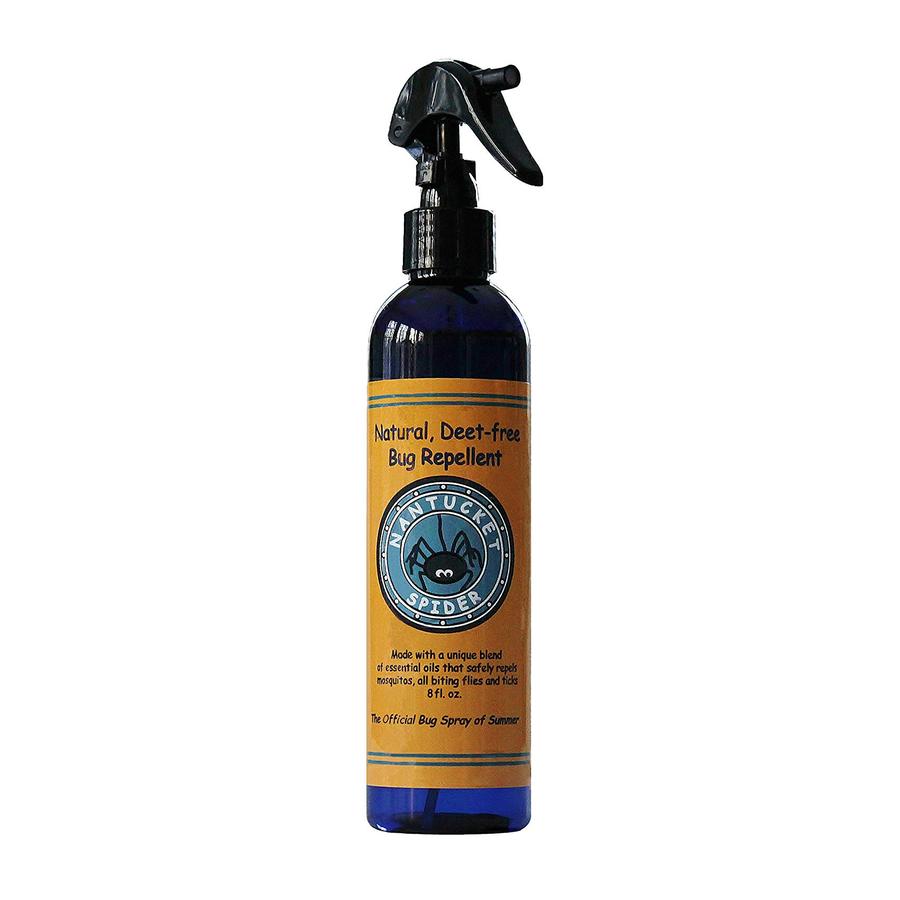
- Use bug spray.
Check for ticks once inside
After being outside, especially for long periods of time, use a mirror to check all body parts for possible ticks. Common areas where ticks may be include:
- Waist
- Under arms
- Inside belly button
- Between legs
- Back of knees
- In and around ears
- In and around hair
Search pets and camping equipment. Often, pets and gear can act as a catalyst for ticks to come into your home. Common areas where ticks may be include:
- Between the toes
- Around the tail
- Around the eyelids
- Under the collar
- Between the back legs
- Under the front legs
- In and around the ears
- Shower within 2 hours of coming inside to wash away unattached ticks and do a full body check.
- To kill a tick you find on clothing: dry clothes in the dryer on high heat for 10 minutes.
How to remove a tick:
- Use a small pair of tweezers to grab the tick as close to the skin as possible.
- Do not make sudden movements with the tweezers including twisting and jerking as this can cause its mouth to break off and stay in the skin. If this occurs, take away the parts of the mouth using tweezers. If you are unable to do this, leave it alone and allow the skin to heal.
- After removal, clean the area of contact and hands with isopropyl alcohol or soap and water.
- To dispose, flush it down the toilet or put it in alcohol, putting it in a sealable container, and wrap tightly with tape.
- If a fever or rash develops within a few weeks of removing a tick from the skin, contact your doctor and tell them when it occurred and where you most likely got the tick.
Keeping pets safe:
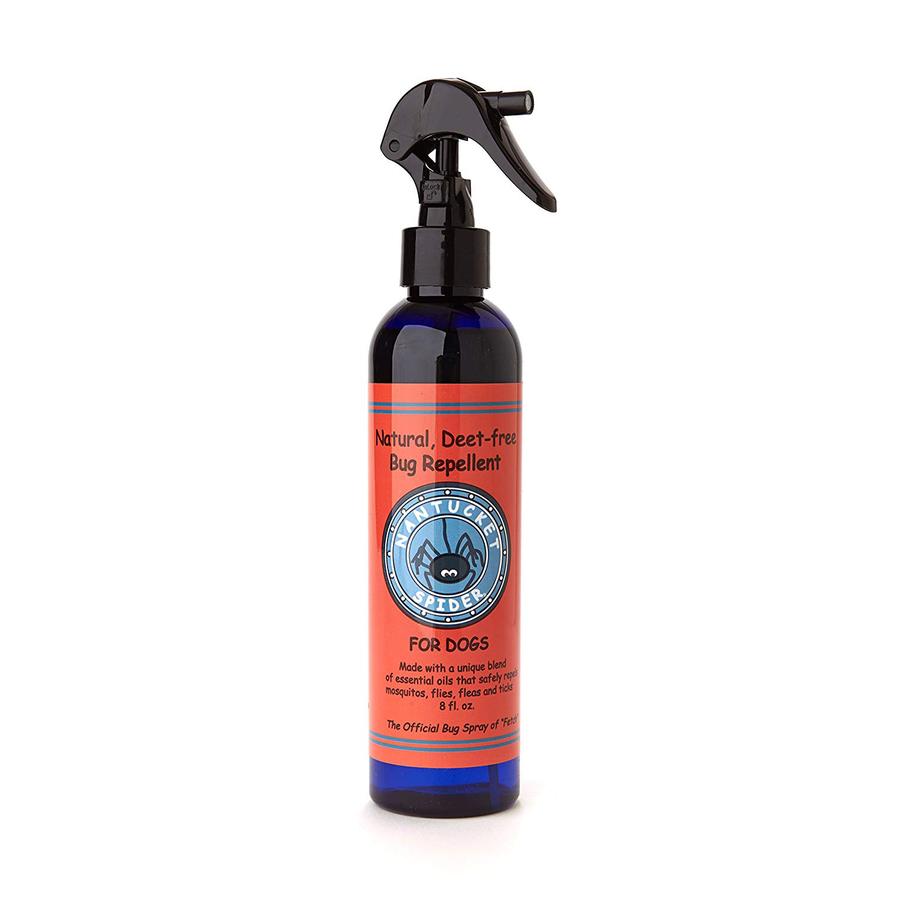
- It is important to use tick-preventing products on your dogs because they contract ticks and tick-borne illnesses very easily and vaccines are not currently available for most diseases that ticks carry.
- Monitor your dog closely as a tick bite may be hard to see. Also, signs of a tick-borne illness may not be seen for 7 to 21 days or longer after a dog gets bitten.
- You can reduce the risk of tick-borne illnesses by spraying for ticks in your yard, checking pets on a daily basis (specifically after they’ve spent time outside) and removing any ticks immediately if you see one attached to your pet.
- Do not use any chemicals on your cats before asking your veterinarian.
Symptoms of tick-borne illnesses
Some tick-borne diseases have a distinct type of rash
- Rocky Mountain spotted fever: red or purple spotted rash.
- Southern tick-associated rash illness (STARI): red, expanding bulls eye that develops at the site of a Texas tick bite.
- Lyme disease: circular rash similar to STARI. It is not usually painful, but can be warm and presents 3 to 30 days after bite.
- Tularemia: skin ulcer at the site of bite and comes with swelling of lymph glands.
Other symptoms include:
- Chills/Fever
- Aches and pains (fatigue, headache, and muscle pains)
Note: Tick paralysis is an uncommon illness that can occur through a toxin in tick salvia. Symptoms include paralysis that can be confused with other neurological disorders. The paralysis typically wears off within 24 hours after removing a tick.
If you present with any of these symptoms after a tick bite, see a physician immediately as an early diagnosis prevents further complications.
For more information about ticks, please visit the Centers for Disease Control and Prevention website at https://www.cdc.gov/ticks/index.html
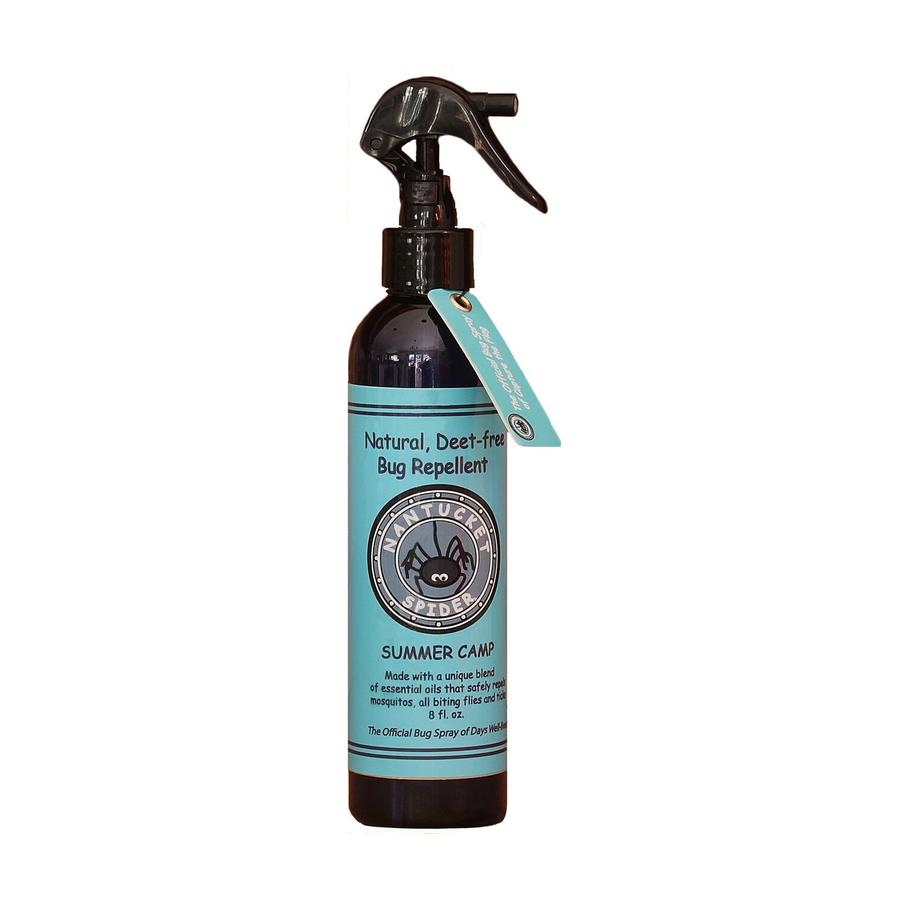
DEET-free repellent for your whole family